Sending a letter used to be a simple affair, but La Poste has quietly transformed the way French households send and track their post. With three distinct letter categories now available and a renewed focus on digital tools, understanding how to scan and follow your tracked mail has become genuinely useful knowledge for anyone who still relies on traditional correspondence alongside modern parcel deliveries.
At a glance
- La Poste has modernized its mail services by introducing three distinct letter categories to meet evolving consumer demands for reliable tracking and lower environmental impact.
- The new system allows users to track their mail digitally from the moment of dispatch until delivery, providing transparency previously reserved for parcel shipments.
- Customers can track their letters using a smartphone or scanner by entering the unique tracking number found on their correspondence into La Poste’s official website.
- Optimal digital records of mail are achieved by using good lighting and ensuring the tracking number is clearly visible for future reference.
- Organizing scanned documents into folders by date or sender and using secure, encrypted storage is recommended for protecting sensitive personal information.
- This digitization initiative supports La Poste's sustainability goals, specifically aiming for a 25% reduction in CO2 emissions by 2030.
Understanding la poste's digital letter scanning service
What is La Poste's followed letter scanning system?
La Poste has been steadily modernising its mail services, driven by a clear objective to meet evolving customer needs whilst reducing its carbon footprint. As of the first of January 2023, three types of letters became available to consumers, each designed to serve a different purpose. A recent survey conducted with twenty-two thousand customers revealed what people actually want from their postal provider: reliable delivery, robust tracking services, and genuine environmental concerns. This feedback shaped the current system, which now allows customers to follow their post digitally from the moment it's sent to the moment it lands on the recipient's doorstep. The scanning and tracking mechanism ties directly into this broader mail services reform, giving users visibility they simply didn't have before.
Benefits of digitising your postal correspondence
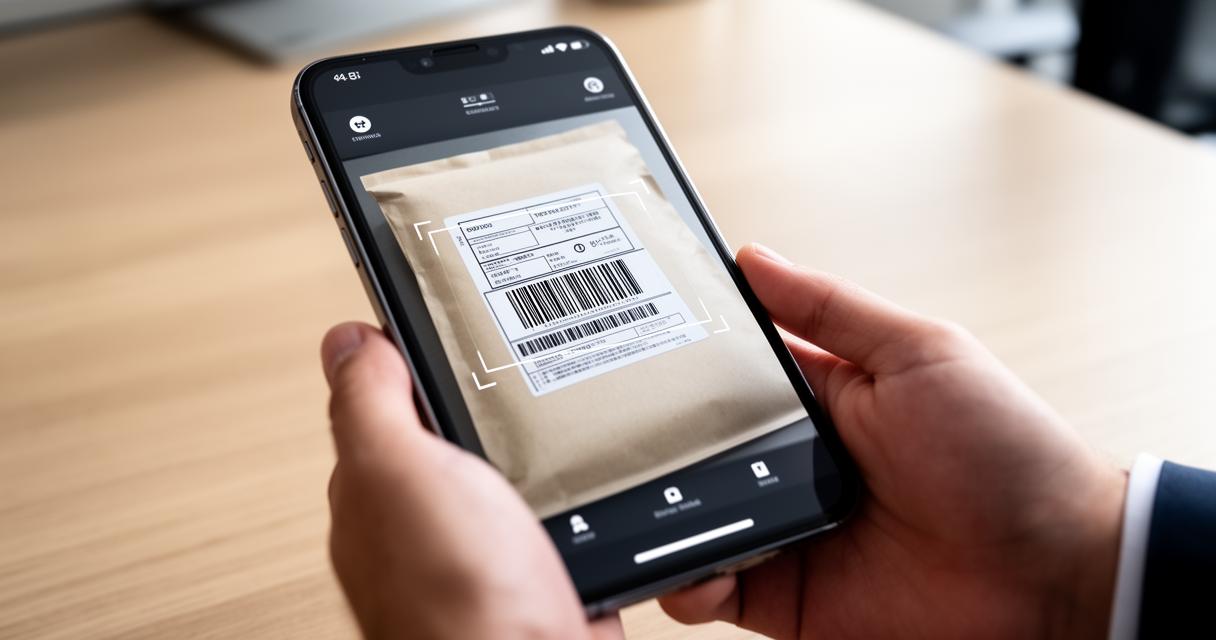
The shift towards digital tracking makes sense when you consider how postal habits have changed. Usage of the priority red letter has plummeted, dropping from forty-five letters per household back in 2010 to just five in 2021, whilst the standard green letter remains the steady workhorse for everyday needs. This decline in urgent mail, paired with growing demand for tracked delivery, prompted La Poste to introduce a smarter, more transparent system. The Turquoise services plus letter, priced at two euros ninety-five, offers tracked letters delivered within two days, giving customers peace of mind that was previously reserved for parcels. Meanwhile, the registered letter option, starting from four euros eighty-three, caters to formal correspondence requiring proof of delivery within three days. Digitising this process isn't just about convenience; it supports La Poste's wider environmental concerns and its ambition to trim sixty thousand tonnes of CO2 emissions by 2030, representing a twenty-five percent reduction.
Step-by-Step Guide to Scanning Tracked Letters from La Poste
Required equipment and mobile applications for scanning
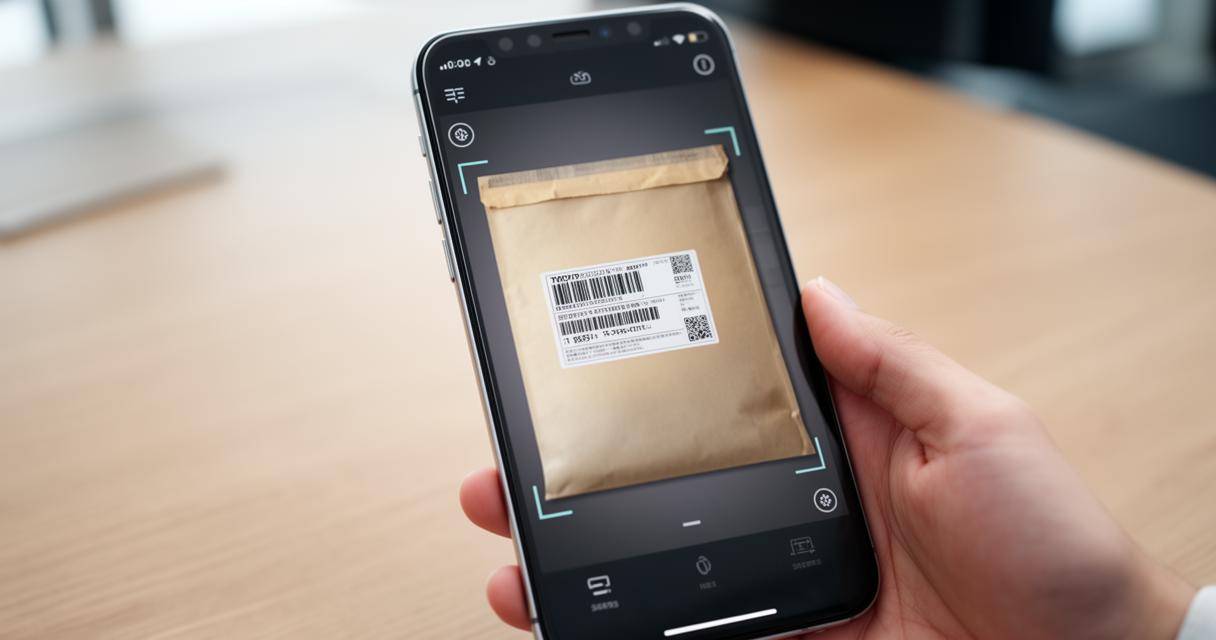
Scanning a followed letter from La Poste doesn't require specialist gear. All you really need is a smartphone with a decent camera or access to a scanner, plus the tracking number printed on your letter or receipt. This number typically follows a format similar to RK671930632FR, and it's the key to unlocking real-time updates through La Poste's official tracking tool. Once you have your tracking number in hand, you simply enter it on the official website, and the package tracking tool does the rest, pulling up everything from order confirmation through to final delivery. For those managing multiple pieces of post, whether letters or Colissimo parcels, keeping a dedicated folder or app where you store these codes makes the whole process far smoother. It's worth noting that Colissimo parcel rates have remained stable, with parcels under two hundred and fifty grams still costing four euros ninety-five, so tracking these alongside your letters won't strain the household budget, which currently averages thirty-seven euros a year on postal spending, down from forty-five euros in 2016.
Proper scanning techniques for optimal digital quality
When scanning a letter or its accompanying documentation for your own records, good lighting and a flat surface make a noticeable difference to the final image quality. Hold your device steady, avoid glare from overhead lights, and ensure the tracking number is fully legible before saving the file. This matters because should any issues arise with the tracking number not working, you'll want a clear backup copy to double-check for mistakes or to verify the system's status. La Poste's notifications typically move through stages such as order confirmed, in transit, out for delivery, and finally delivered, so having a clean scan helps you cross-reference each update against your physical documentation. Domestic delivery generally takes twenty-four to forty-eight hours, whilst international delivery can stretch to between four and ten business days, so patience is sometimes required, particularly with cross-border post.
Managing and organising your scanned postal documents
Best practices for storing and categorising digital mail
Once you've scanned your tracked letters, organising them sensibly saves considerable hassle later on. Creating folders by month or by sender helps you locate a specific piece of correspondence quickly, especially useful for those relying on the Red e-Letter, priced at one euro forty-nine for occasional urgent post delivered the next day. Businesses and households alike benefit from consistent naming conventions, perhaps including the tracking number and date within the file name itself. This becomes particularly handy given that mail and parcel services now operate six days a week, meaning a steady flow of correspondence to keep tabs on. La Poste, established back in 1991 as the successor to the French PTT service, has expanded well beyond simple letter delivery, now offering parcel services, last-mile delivery, digital identity services, and tailored solutions for seniors, all of which generate their own paperwork worth archiving digitally.
Security considerations and data protection for scanned correspondence
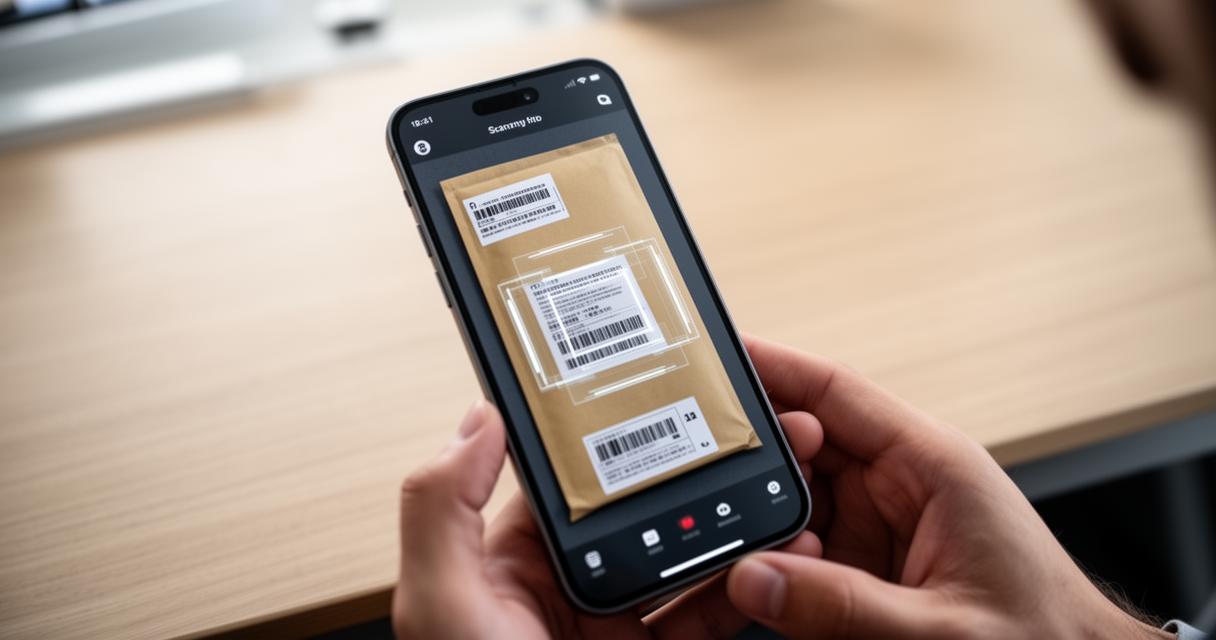
Naturally, scanning personal correspondence raises questions about data protection, particularly for registered letters or documents containing sensitive information. Storing scanned files in password-protected folders or encrypted cloud storage is a sensible precaution. It's also worth remembering that the government allocates between five hundred and five hundred and twenty million euros annually to cover postal service deficits, underlining just how central this universal postal service remains to national infrastructure, and why maintaining trust in its tracking systems matters. The focus on three-day delivery reflects an effort to optimise logistics whilst preserving this universal service for everyone, regardless of location. Interestingly, La Poste's tracking capabilities extend even to the USA, allowing international customers to follow shipments abroad. Whether you're chasing a parcel or a formal letter, the tracking tool offers genuine advantages: it solves problems before they escalate, provides visibility throughout the journey, confirms delivery, costs nothing extra, and remains remarkably easy to use, deliveries running Monday to Saturday except on national holidays, giving most households a dependable rhythm to rely upon.