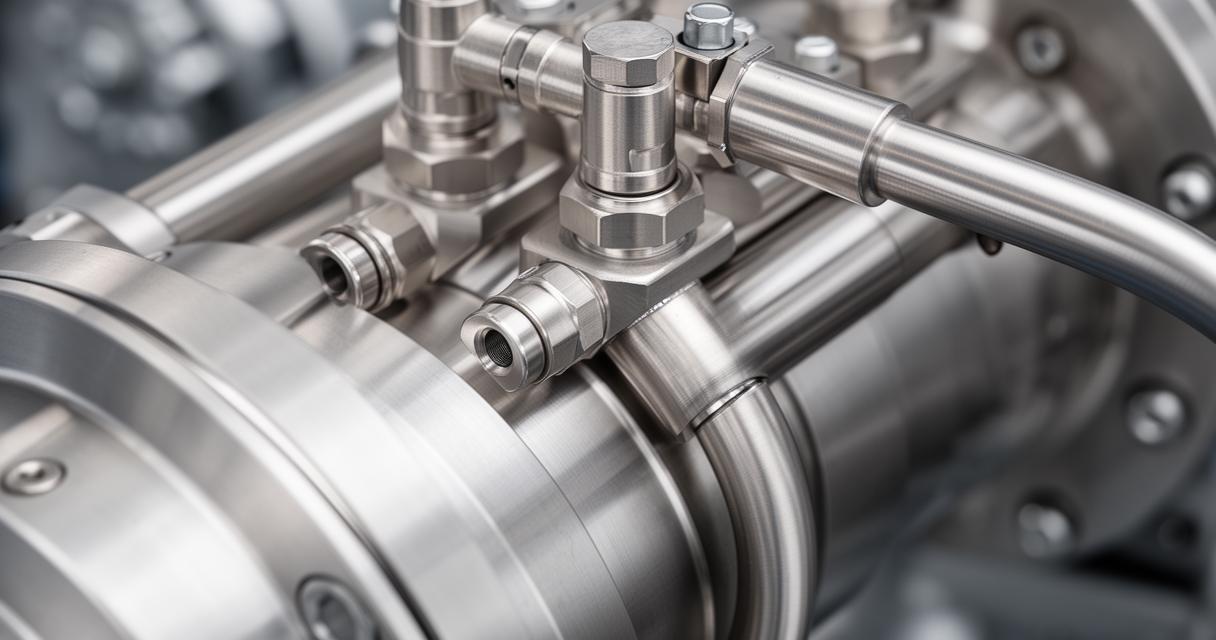
Anyone who has spent time around modern farm machinery will know that the humble hydraulic distributor plays a far bigger role than its size suggests. Tucked away within the tractor's frame, this component quietly manages the flow of oil that powers everything from the loader arm to the steering mechanism. Understanding how it works, and how it interacts with the wider hydraulic system, helps operators get more from their equipment while avoiding costly breakdowns.
In brief
- The hydraulic distributor functions as the central control unit that directs pressurized oil from the pump to various actuators, enabling the operation of tractor attachments.
- Hydraulic systems convert mechanical energy from the tractor engine into fluid power, typically operating at pressures between 150 and 350 bar.
- Leading brands like Valtra, John Deere, and Fendt utilize distinct valve designs, such as sectional or cartridge arrangements, to balance precision, robustness, and modularity.
- Maintaining hydraulic efficiency requires strict attention to fluid cleanliness and lubrication, as the hydraulic oil is responsible for power transmission, cooling, and protecting components from contaminants.
- Regular preventative maintenance, including monitoring fluid levels and replacing filters, is essential to prevent overheating and premature wear of the hydraulic distributor.
- Operators can source replacement components from specialized suppliers like Flowfit or Hydrastore, which provide a wide range of parts and technical expertise for various hydraulic systems.
Fundamentals of Hydraulic Distributor Mechanics in Modern Tractor Systems
Core Components and Oil Flow Management in Hydraulic Distributors
At its heart, a hydraulic distributor is responsible for directing pressurised oil to the various actuators that carry out physical work on the tractor. The system relies on a handful of essential parts working in harmony, including the hydraulic pump, the reservoir, a network of control valves and the actuator itself, which might be a cylinder or motor depending on the task at hand. Oil is drawn from the reservoir and pushed through the system under pressure, with the distributor acting as the traffic controller that decides where that flow should go. Whether it is a monoblock, sectional or diverter valve arrangement, the goal remains the same: precise, responsive control over multiple hydraulic functions at once. Products from established names such as Walvoil, Bucher and Casappa are frequently found within these setups, prized for their reliability under demanding field conditions.
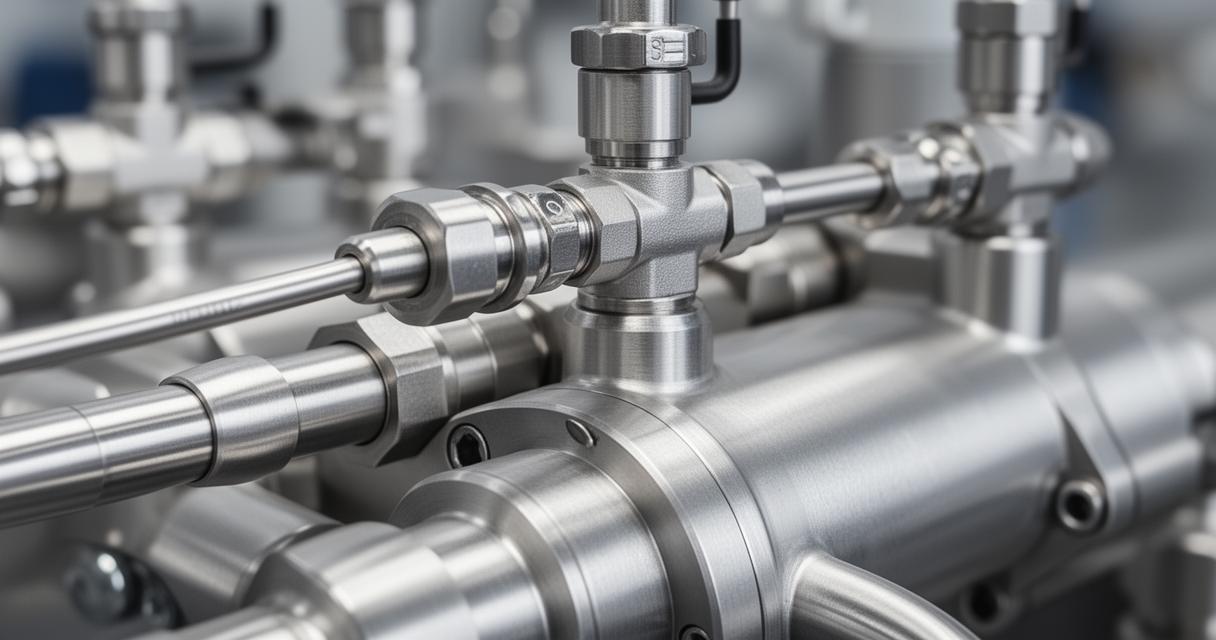
Power distribution principles: how hydraulics transform mechanical energy in agricultural machinery
The clever part of any hydraulic system lies in how it converts mechanical energy from the tractor's engine into usable hydraulic power. An electric motor or the engine itself drives the pump, which pressurises the fluid before it travels through hoses and fittings towards the distributor. From there, pressure control and flow control work together to ensure the correct amount of force reaches each actuator without wasting energy or causing damage. Industrial hydraulic systems of this kind typically operate somewhere between 150 and 350 bar, a range that must be carefully managed since excessive pressure drops generate heat and reduce efficiency. This is why maintaining system cleanliness and proper lubrication matters so much, as the hydraulic fluid itself is tasked with transmitting energy, cooling components and keeping contaminants at bay all at once.
Operational characteristics across leading tractor brands: valtra, john deere, and fendt systems
Comparative Analysis of Hydraulic Distributor Performance in Premium Agricultural Products
Manufacturers such as Valtra, John Deere and Fendt each take slightly different approaches to hydraulic distributor design, though the underlying mechanics share common ground with systems used in excavators, cranes and industrial presses. These agricultural giants often favour sectional or cartridge valve arrangements that allow for modular expansion, meaning additional hydraulic functions can be added as attachments demand. Fendt, for instance, tends to prioritise smooth, responsive flow control suited to precision farming tasks, while John Deere systems are often built with robust pressure reducing valves to handle heavier loads consistently. Valtra, meanwhile, balances affordability with dependable performance, making it a popular choice among mixed arable and livestock operations. Regardless of brand, the fundamental hydraulic components remain broadly similar, drawing on the same principles that govern hydraulic power units across construction equipment and manufacturing systems.
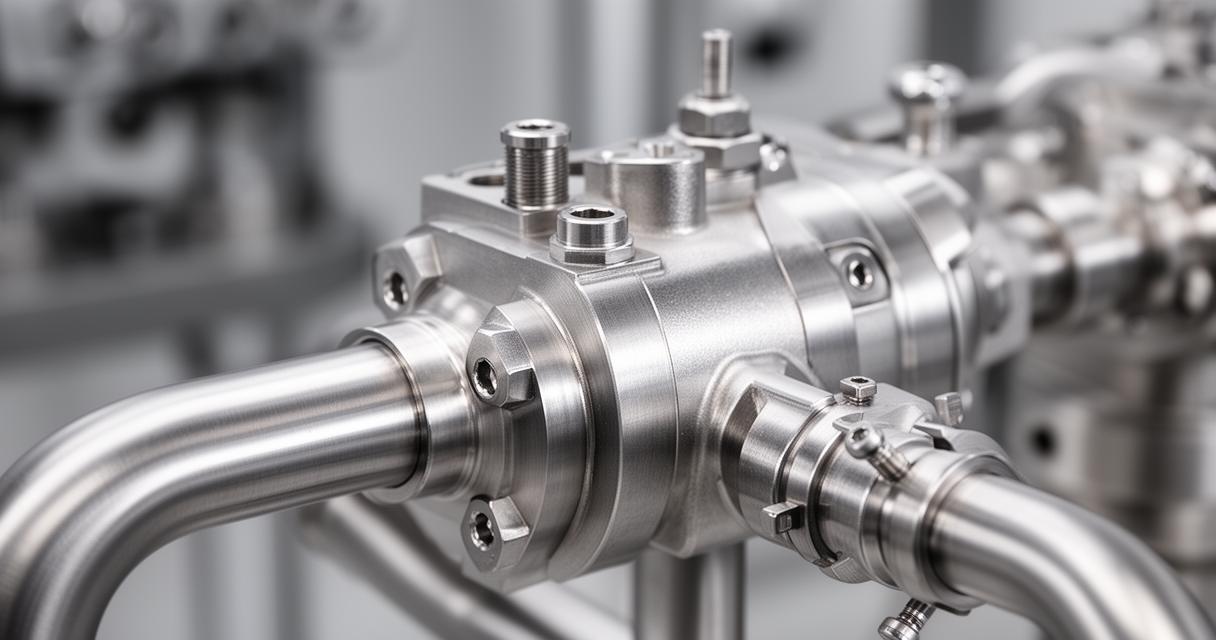
Price-to-Performance Considerations: Evaluating Information on Replacement Parts and System Specifications
When it comes time to source replacement parts, operators quickly discover that price and performance do not always move in tandem. Suppliers such as Flowfit, based on Parys Road in Ludlow, Shropshire, offer an extensive catalogue spanning bell housings, couplings, clutches, gearboxes, hydraulic adaptors and a wide range of valves, giving buyers plenty of choice when matching parts to their specific tractor model. Their team can be reached on 01584 876033 during standard working hours from Monday to Thursday and slightly earlier finishes on Friday, and payments can typically be handled in GBP, USD or EUR depending on the customer's location. Elsewhere, Hydrastore provides access to thousands of hydraulic products with next day delivery across the UK, alongside bespoke system design services for businesses that need something beyond off-the-shelf solutions. Holding ISO 9001:2015 certification, their operation reflects the kind of quality assurance that gives buyers confidence when investing in critical machinery components.
Maintenance Protocols and Troubleshooting Common Issues in Tractor Hydraulic Systems
Preventative maintenance strategies: protecting your hydraulic distributor investment
Regular maintenance remains the single most effective way to extend the working life of any hydraulic distributor. Checking fluid levels, replacing filtration elements on schedule and inspecting hoses and fittings for wear all form part of a sensible routine. Since heat removal is one of the fluid's essential jobs, operators should also watch for signs of overheating, which often points towards inefficient operation or excessive pressure drops within the circuit. Keeping the reservoir clean and free from contamination protects sensitive components such as cartridge valves and control valves from premature wear, ultimately saving money on parts and labour down the line.
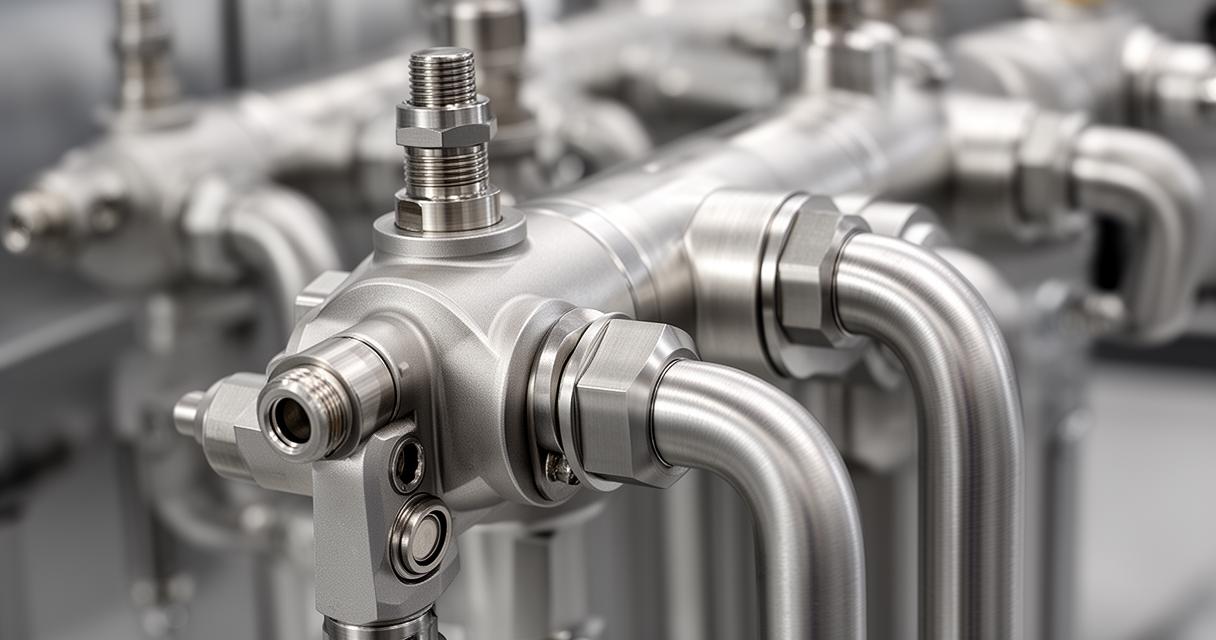
Diagnosing and Resolving Hydraulics Problems: Practical Solutions for Mechanics and Operators
When something does go wrong, a methodical approach to diagnosis usually pays off. As Stephanie Metcalf noted in her article on hydraulic systems published on the 19th of July 2026, these systems sit at the very centre of heavy machinery used across construction, manufacturing and transport, which means faults can have wide-reaching consequences if left unaddressed. Sluggish actuator response, unusual noise from the pump, or visible leaks around adaptors are all common warning signs worth investigating promptly. Specialists such as Hydrastore can assist with both diagnosing issues and designing improved systems where recurring problems suggest an underlying design flaw rather than simple wear and tear. For UK-based operators, Flowfit's sales team, contactable by email at [email protected] or by phone on 01427 874445, can also offer guidance on selecting appropriate replacement parts, ensuring that whatever the make or model of tractor, the hydraulic distributor continues to perform reliably season after season.