
Managing money online has become second nature for most of us, and the shift towards digital banking continues to gather pace. Whether you're checking your balance during a lunch break or transferring funds late at night, having reliable access to your account matters more than ever. This guide walks you through everything you need to know about logging in, keeping your details current, and making the most of the tools available to you.
In brief
- The CMUT Direct account login process is designed for simplicity, requiring users to provide their credentials and often complete an additional verification step via a one-time passcode.
- First-time users must register their account using debit card or personal information to establish their identity before they can log in.
- Common login issues like forgotten passwords can be resolved through automated reset options, while security lockouts are intentional measures to prevent unauthorized access.
- Keeping contact information such as your address and phone number up to date is essential for receiving timely security notifications and account alerts.
- Users should enhance their account security by periodically updating their passwords with complex combinations and avoiding the reuse of credentials across different platforms.
- The mobile banking app offers convenient features like instant transfers, card management, and real-time fraud alerts to allow for efficient on-the-go account monitoring.
- Modern banking platforms provide built-in financial management tools, such as spending categorization, to help users track their financial health and habits.
Navigating your cmut direct account login process
Getting into your account should never feel like a chore, and thankfully, the process has been streamlined considerably over recent years. The login page is designed with simplicity in mind, meaning you won't need to hunt around for the right buttons or wonder what information to enter next. A clear layout guides you through each stage, from entering your username to confirming your identity through additional security checks.
Step-by-step guide to accessing your account
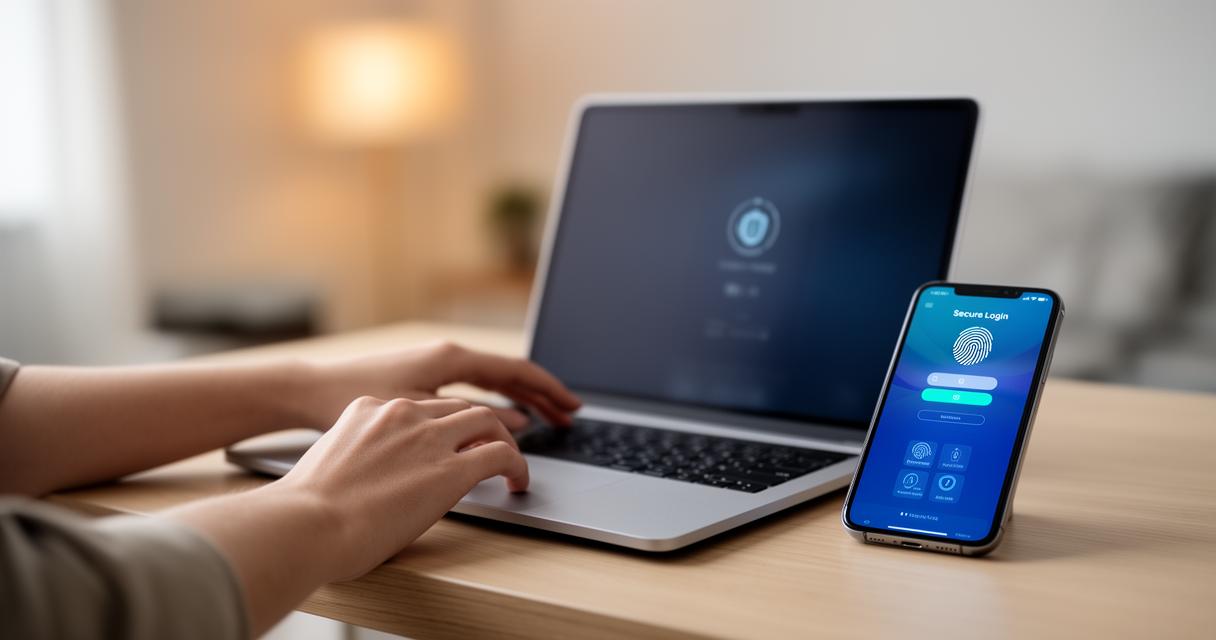
Before you begin, make sure you have your account credentials to hand, including your customer number and password. Once you're on the login screen, simply enter these details and follow any prompts for additional verification, such as a one-time passcode sent to your registered mobile number. This extra layer might feel like an additional step, but it's there to protect your money and personal information. After successful verification, you'll land on your account dashboard, where balances, recent transactions, and quick links to common actions are all visible at a glance. It's worth noting that first-time users may need to register their details before attempting to log in, a process that typically involves confirming your identity through your debit card details or account number alongside some personal information.
Troubleshooting common login issues
Even the most reliable systems occasionally throw up hiccups, and login troubles are among the most frequent frustrations users encounter. Forgotten passwords remain the most common issue, but thankfully most platforms offer a straightforward reset option that sends instructions directly to your email or phone. If you find yourself locked out after several failed attempts, this is usually a deliberate security measure rather than a fault, designed to prevent unauthorised access attempts. Clearing your browser's cache or trying a different device can also resolve many technical glitches that prevent pages from loading correctly. Should none of these steps work, reaching out to customer support directly is often the quickest way to get back into your account without unnecessary delay.
Maintaining up-to-date personal and security information
Keeping your personal details current isn't just good practice, it's essential for ensuring smooth communication between you and your bank. Outdated contact information can lead to missed notifications about important account activity or, worse, delays in resolving fraudulent transactions. Regularly reviewing what information your bank holds about you helps avoid these pitfalls entirely.
Updating your contact details and preferences
Whether you've moved house, changed your phone number, or simply want to adjust how you receive notifications, updating these details usually takes just a few minutes within your account settings. Most platforms allow you to amend your address, email, and phone number directly online without needing to visit a branch or make a phone call. Beyond contact information, you can often tailor your notification preferences too, choosing whether you'd like alerts via text message, email, or push notifications through the mobile app. This flexibility means you stay informed in whichever way suits your lifestyle best, whether that's immediate alerts for every transaction or a weekly summary of your spending.

Enhancing account security through regular password changes
Security experts consistently recommend changing passwords periodically, and your banking credentials should be no exception. A strong password combines letters, numbers, and symbols in a way that's difficult to guess but still memorable to you. Avoid reusing passwords across multiple platforms, particularly for something as sensitive as your financial accounts. Many banking apps now include built-in prompts reminding you when it's time for a refresh, alongside guidance on creating a more robust password if your current one appears weak. Taking a few moments every few months to review and strengthen your login security can make a significant difference in protecting your finances from potential threats.
Maximising your online banking experience
Once you've mastered the basics of logging in and keeping your details updated, it's worth exploring the fuller range of features available to you. Modern banking platforms offer far more than simple balance checks, and taking advantage of these tools can genuinely transform how you manage your money day to day.
Utilising mobile application features for on-the-go banking
The mobile app deserves particular attention, as it condenses the full banking experience into a pocket-sized package. Features such as instant transfers, mobile cheque deposits, and card management tools mean you rarely need to set foot in a branch. Notifications for suspicious activity pop up in real time, allowing you to freeze your card instantly if something doesn't look right. For those who travel frequently, the app also proves invaluable for checking exchange rates or notifying your bank of upcoming trips abroad, helping to avoid unnecessary card blocks while you're away from home.

Taking Advantage of Financial Management Tools and Services
Beyond the day-to-day transactions, many banking platforms now include tools designed to give you a clearer picture of your overall financial health. Spending categorisation features automatically sort your outgoings into groups like groceries, entertainment, and bills, making it easier to spot patterns and adjust habits where needed. Budgeting tools let you set monthly targets and receive alerts as you approach your limits, while savings goals features encourage putting money aside for specific purposes, whether that's a holiday or an emergency fund.
- Instant balance and transaction updates
- Customisable spending categories and budgets
- Secure card freezing and unfreezing options
- Savings goal tracking with visual progress indicators
These tools collectively represent a shift in how people relate to their finances, moving away from reactive money management towards a more proactive, informed approach. As digital banking continues to evolve, staying familiar with these features ensures you're getting the most value from the service, turning what was once a simple transactional relationship into a genuine partner in managing your financial wellbeing.