Choosing a new set of tyres often comes down to one burning question: how far will they actually take you before it's time to swap them out? For drivers considering Michelin tyres, the answer isn't a single figure but a range shaped by driving style, road conditions, and how well the tyres are looked after. This article draws on real user reviews and expert insight to give you a grounded picture of what to expect from Michelin's tyre range in terms of mileage, durability, and overall value.
In brief
- Michelin tyres typically offer a lifespan of 40,000 to 80,000 kilometres, with some premium touring models reaching up to 90,000 kilometres.
- Real-world user reviews suggest that Michelin tyres maintain superior grip and performance even as they approach the end of their tread life compared to cheaper alternatives.
- Driving habits such as aggressive acceleration and braking, along with road conditions, significantly impact the actual longevity of the tyres.
- Proper maintenance, including regular tyre rotation every 7,500 miles and maintaining correct inflation, is essential to maximizing tyre lifespan.
- Michelin's touring tyres are specifically engineered for durability and comfort, whereas their performance-oriented models prioritize handling at the cost of some tread life.
- Despite a higher initial purchase price, Michelin tyres are considered a cost-effective long-term investment due to their extended tread life and consistent safety performance.
Understanding michelin tyre longevity: what real drivers are experiencing
Average mileage expectations from michelin tyres across different ranges
Most drivers report that a well-maintained set of Michelin tyres can comfortably last between 40,000 and 80,000 kilometres, with some premium touring models pushing towards 70,000 to 90,000 kilometres under favourable conditions. This puts Michelin roughly 20 to 30 percent ahead of many mid-range competitors when it comes to tread life. Owners of vehicles from brands such as BMW, Mercedes-Benz, and Tesla frequently cite Michelin as their preferred original equipment choice, largely because the tyres are engineered to match the demands of premium vehicles without compromising on safety and performance.
User testimonials: tracking actual kilometres covered before replacement
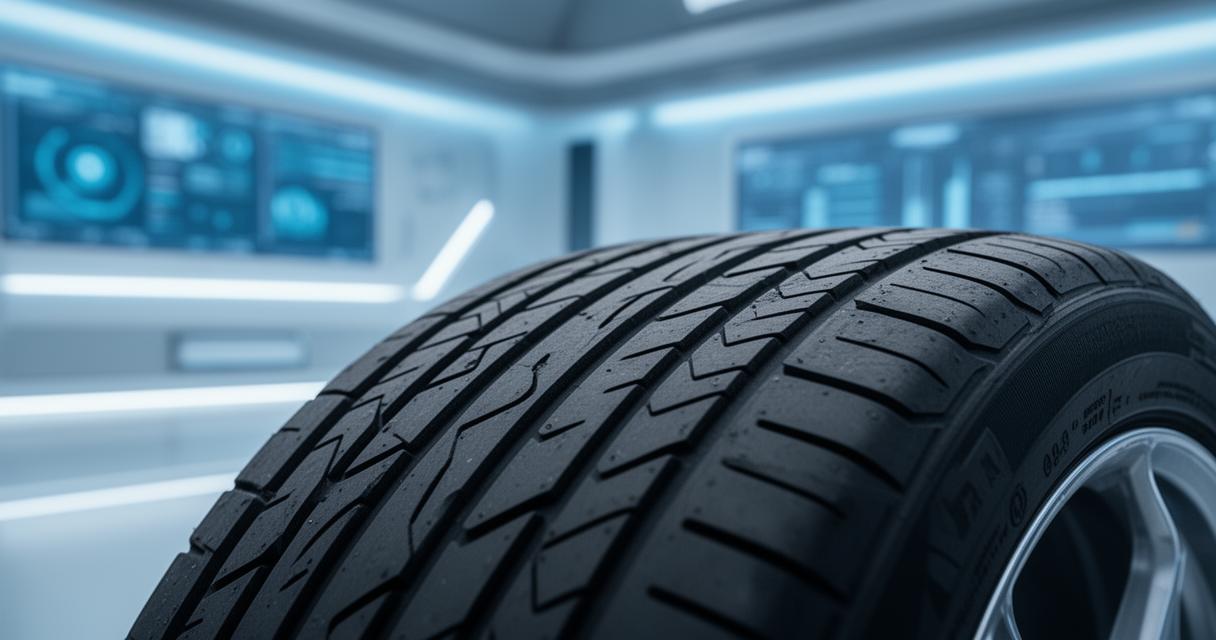
Reviews gathered around a comprehensive Michelin tyre assessment dated 6 February 2026 reveal a consistent theme among drivers: the tyres hold their shape and grip well beyond the point where cheaper alternatives would have worn thin. Many users mention going well past the 60,000 kilometre mark before needing a replacement, particularly when the vehicle is used for regular motorway driving rather than constant stop-start city traffic. Others note that even towards the end of the tyre's life, wet braking performance remained noticeably better than on previous tyre brands they had used.
Key factors that determine how long your michelin tyres will last
The Impact of Driving Habits and Road Surfaces on Tyre Wear
It's worth being honest about the fact that no tyre performs identically for every driver. Aggressive acceleration, harsh braking, and frequent cornering all accelerate wear regardless of brand. Similarly, rough or poorly maintained roads, along with issues like rim damage, can shorten a tyre's usable life considerably. Drivers with low annual mileage sometimes find their tyres age out before the tread wears down, since rubber compounds degrade over time even without heavy use. As a general guide, front tyres tend to last at least 20,000 miles, while rear tyres often make it beyond 40,000 miles, though this varies depending on the vehicle's drivetrain and weight distribution.
Proper maintenance practices that extend michelin tyre lifespan
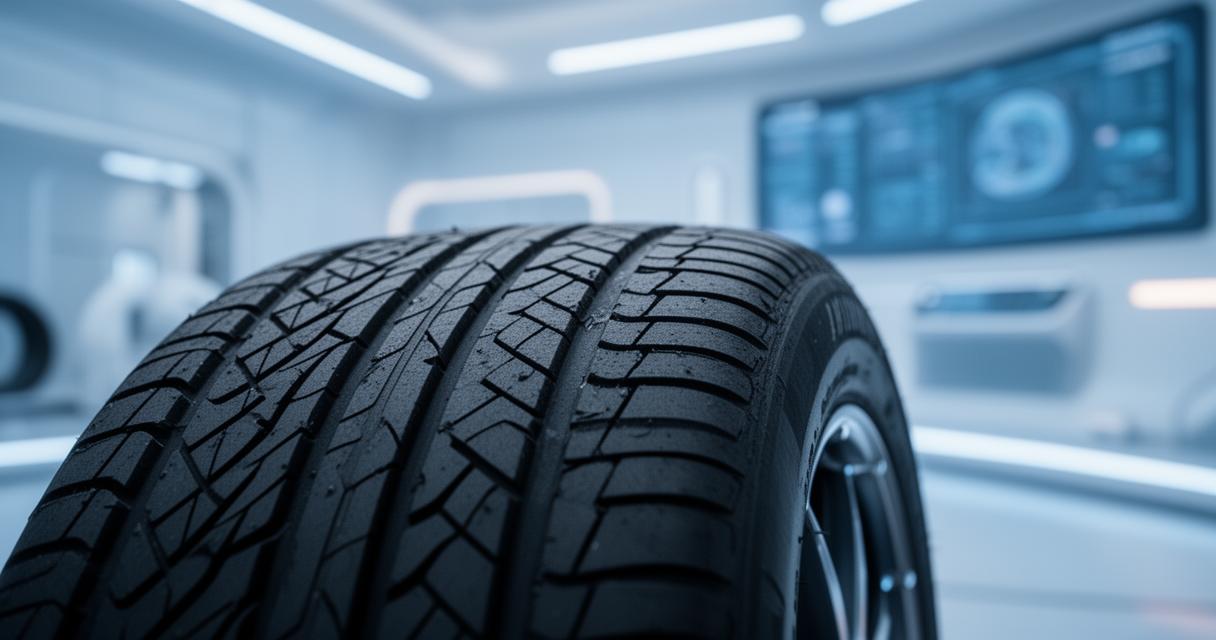
Simple habits go a long way towards squeezing extra kilometres out of any tyre set. Keeping tyres at the correct pressure reduces uneven wear and helps control fuel consumption, while rotating them roughly every 7,500 miles ensures front and rear tyres wear at a similar rate. Checking tread depth regularly is essential too, since the legal minimum in the UK sits at 1.6mm, and driving below this threshold risks a fine of up to £2,500 per tyre. Experts recommend a thorough inspection once a year after the tyre reaches five years old, and replacement is advised after a decade regardless of how much tread remains. Ignoring these steps doesn't just shorten tyre lifespan, it also increases the risk of a blowout, which is a genuinely dangerous scenario at speed.
- Maintain correct inflation to reduce uneven wear
- Rotate tyres every 7,500 miles for balanced wear
- Inspect tread depth regularly, especially after five years of use
Comparing michelin tyre models: which delivers the best mileage value
Performance tyres versus touring tyres: real-world mileage differences
Michelin's range spans everything from sporty performance tyres designed for sharp handling to touring options built with longevity and comfort in mind. Performance-focused models tend to sacrifice some tread life in exchange for sharper grip and responsiveness, making them a better fit for drivers who prioritise handling over sheer mileage. Touring tyres, by contrast, are built to go the distance, often incorporating specific technologies aimed at reducing road noise and improving ride comfort over long stretches. This variety means Michelin caters well to passenger cars, SUVs, and even motorcycles, each with tyres tailored to the demands of that vehicle type.
Customer reviews on longevity across popular michelin tyre ranges
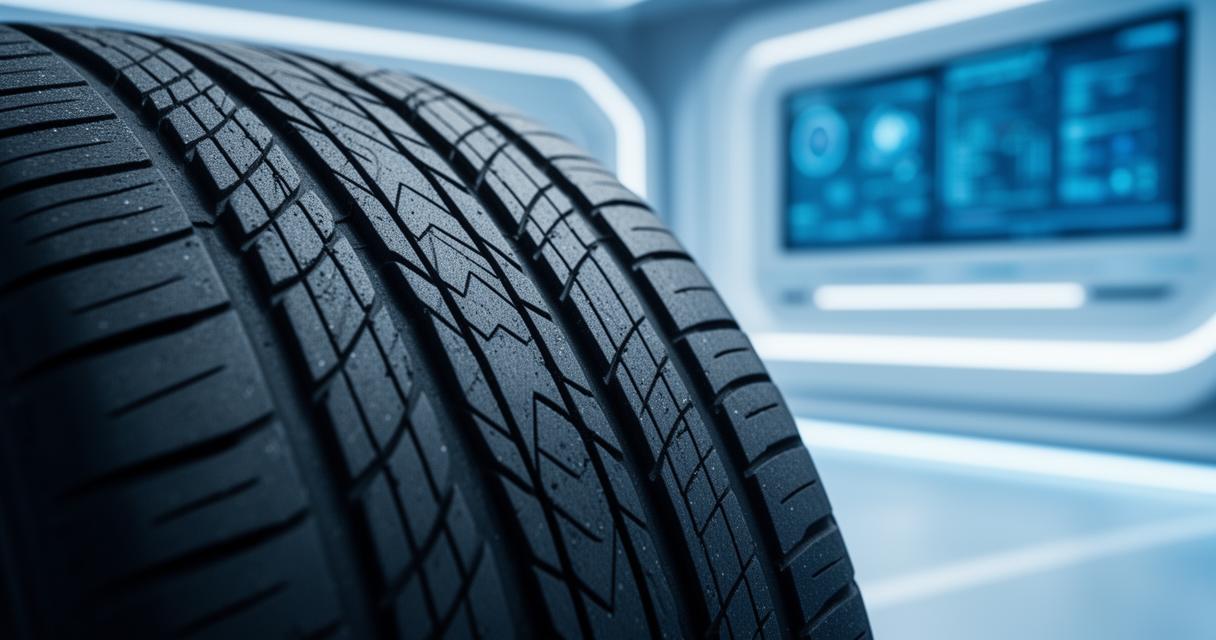
When Michelin is placed side by side with a brand like Dunlop, reviewers consistently point to Michelin's edge in tread life, wet braking, and overall ride comfort, even though it typically costs more upfront. This aligns with Michelin's own investment strategy, given the company spends over €700 million annually on research and development to refine its tyre compounds and construction. For drivers doing high mileage or regularly travelling at higher speeds, this investment tends to pay off through fewer replacements and better cost-effectiveness over the tyre's working life. It's also worth remembering that in regions prone to snow, including some rural parts of the UK, winter tyres become a sensible addition, and in several European countries they're a legal requirement during colder months.
Ultimately, expert opinion and everyday driver feedback point in the same direction: Michelin tyres represent a solid long-term investment for those who value durability, wet and dry grip, and dependable performance over the years. While the initial price tag sits above many competitors, the combination of extended tread life and consistent long-term value makes them a popular choice among drivers who put real distance on their vehicles. Anyone unsure about their current tyres' condition can seek advice through services such as breakdown cover, insurance support, or a dedicated service and repair centre, with further guidance available by calling 0330 159 1111.