Running a shop or a busy café in Britain today means juggling far more than simply taking payments, and at the heart of that daily operation sits one indispensable piece of kit: the cash register. Far from being a simple money box, today's till systems have evolved into sophisticated hubs that handle everything from card payments to stock tracking, and choosing the right one can make a genuine difference to how smoothly a business runs.
Key takeaways
- Traditional cash registers offer a simple and affordable solution for small traders, while modern EPOS systems provide advanced features like real-time sales tracking, loyalty scheme management, and online integration.
- When selecting a POS system, merchants should prioritize business-specific needs such as contactless payment support, ease of staff training, and inventory management capabilities.
- British retailers must ensure their systems are compatible with HMRC's Making Tax Digital regulations to maintain accurate digital records and fulfill VAT obligations.
- Data protection compliance is essential, as merchants are legally required to securely handle and encrypt sensitive customer information stored within their till systems.
- Effective integration between POS hardware, stock management software, and accounting platforms minimizes manual errors and provides a real-time overview of business profitability.
- Maintaining organized transaction records is vital for tax compliance and audit preparedness, necessitating systems that reliably archive sales history.
Understanding Cash Register Models and Their Essential Features for UK Retailers
Merchants across the country face a growing decision when it comes to equipping their premises with the right point of sale equipment. The market has shifted considerably over recent years, and understanding what's available is the first step towards making a sound investment for your enterprise.
Traditional electronic cash registers versus modern epos systems
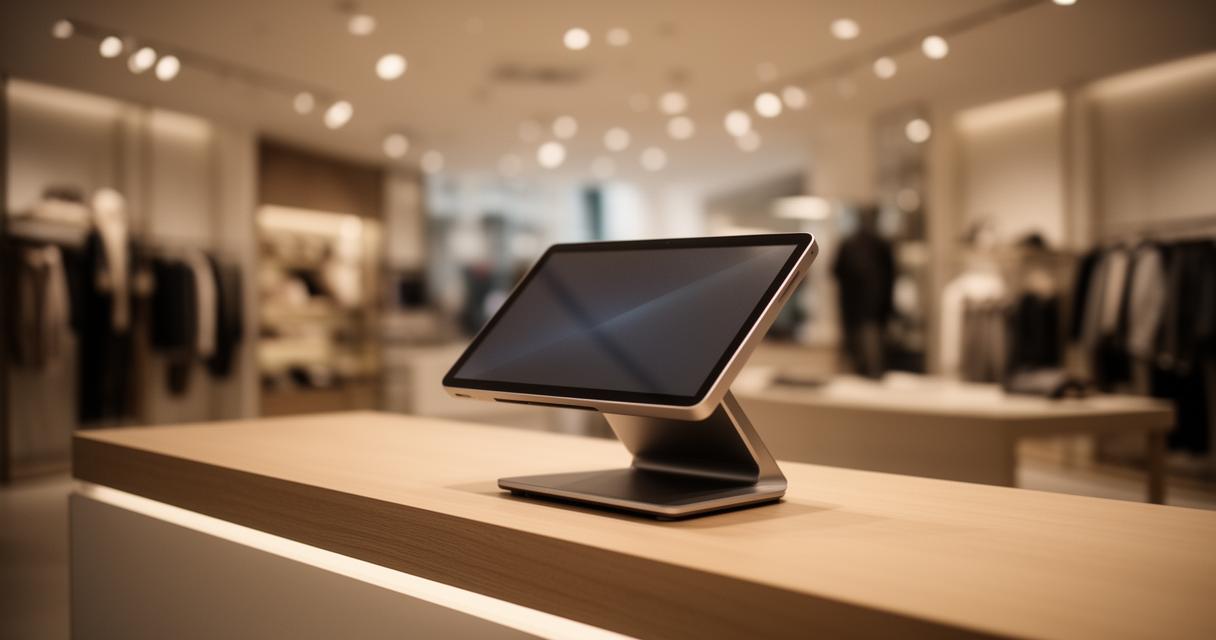
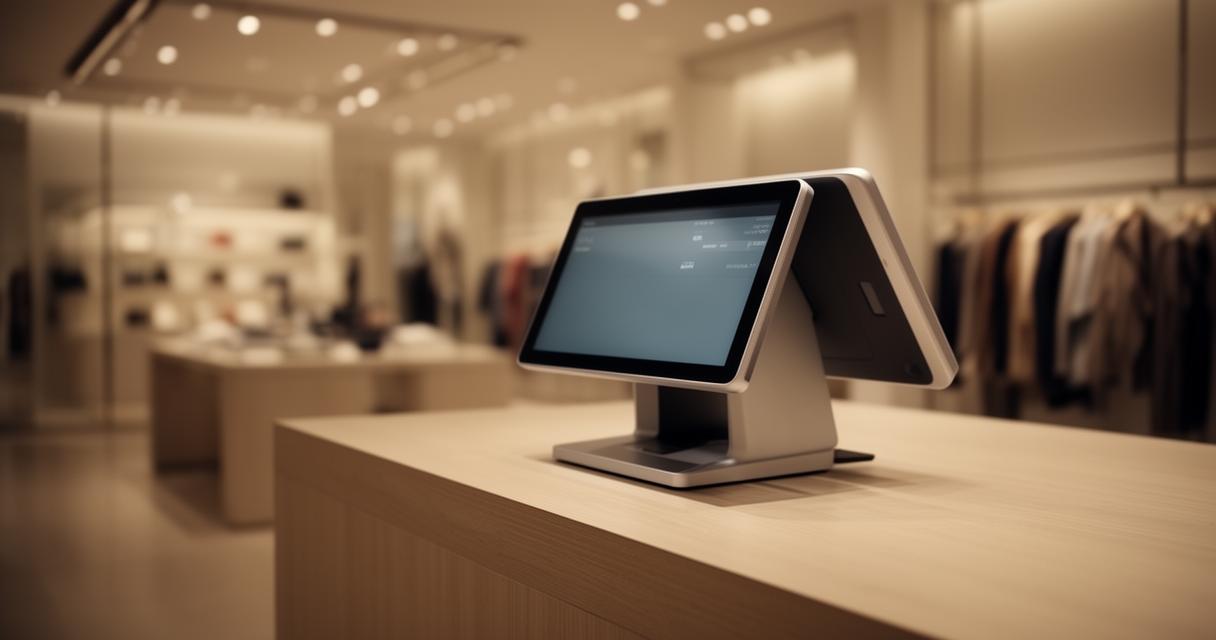
Classic electronic cash registers remain popular among smaller traders who need a straightforward, no-fuss way to log sales and issue receipts. These machines are typically affordable, simple to operate, and require minimal training, which makes them appealing for independent shops or market stalls with modest turnover. However, many retailers are now moving towards EPOS systems, which stands for electronic point of sale, because these offer far greater flexibility. An EPOS setup usually combines a touchscreen terminal, a card reader, and software capable of tracking sales trends in real time. Where a traditional till simply records the transaction, an EPOS solution can also manage loyalty schemes, generate detailed sales reports, and sync with online stores, giving business owners a much clearer picture of how their venture is performing at any given moment.
Key Features to Look for When Selecting Your Business Till Solution
When comparing different options, it helps to think about what your business genuinely needs rather than simply opting for the most feature-heavy model. Consider whether the system supports contactless and mobile payments, since customer expectations around speed and convenience continue to rise. Reliable customer support and straightforward maintenance are also worth weighing up, as downtime at the till can quickly translate into lost sales. Some shops prioritise ease of staff training, especially those with a high turnover of part-time workers, whilst others place more importance on robust inventory management capabilities that automatically adjust stock levels with every sale. Price naturally plays a role too, and it's sensible to look beyond the initial purchase cost to consider ongoing subscription fees, transaction charges, and the expense of any hardware upgrades down the line.
Legal Requirements and Compliance Standards for Cash Registers in Britain
Beyond the practicalities of choosing hardware, British merchants must also navigate a web of legal obligations that govern how sales data is recorded and reported. Falling foul of these requirements can lead to penalties, so it pays to understand exactly what's expected.
HMRC Making Tax Digital Regulations and Their Impact on Till Systems
The introduction of Making Tax Digital by HMRC has reshaped how many businesses approach their bookkeeping, and cash registers sit right at the centre of this shift. Under these rules, VAT-registered businesses are required to keep digital records and submit returns using compatible software, which means older, purely mechanical tills may no longer be fit for purpose. Retailers should check that their chosen system can either integrate directly with accounting software or export data in a format that satisfies these digital record-keeping standards. This is particularly relevant as HMRC continues to extend Making Tax Digital obligations to a wider range of businesses, so investing in a compliant system now can save considerable hassle later.
Data Protection and Record-Keeping Obligations for British Merchants
Cash registers and EPOS systems often store sensitive customer information, from payment details to contact information gathered through loyalty programmes, which brings data protection legislation firmly into play. Businesses must ensure their systems handle this information securely and in line with UK data protection law, including proper encryption of card transactions and careful management of any personal data retained. Beyond data protection, merchants are generally expected to retain transaction records for several years to satisfy tax authorities, so a till system that archives receipts and sales history in an organised, easily retrievable manner is enormously valuable when the time comes for an audit or a routine inspection.
Maximising efficiency through proper cash register implementation and usage
Owning the right equipment is only half the battle; getting genuine value from a till system depends heavily on how well it's integrated into the wider running of the business and how confidently staff use it day to day.
Integrating Till Systems with Stock Management and Accounting Software
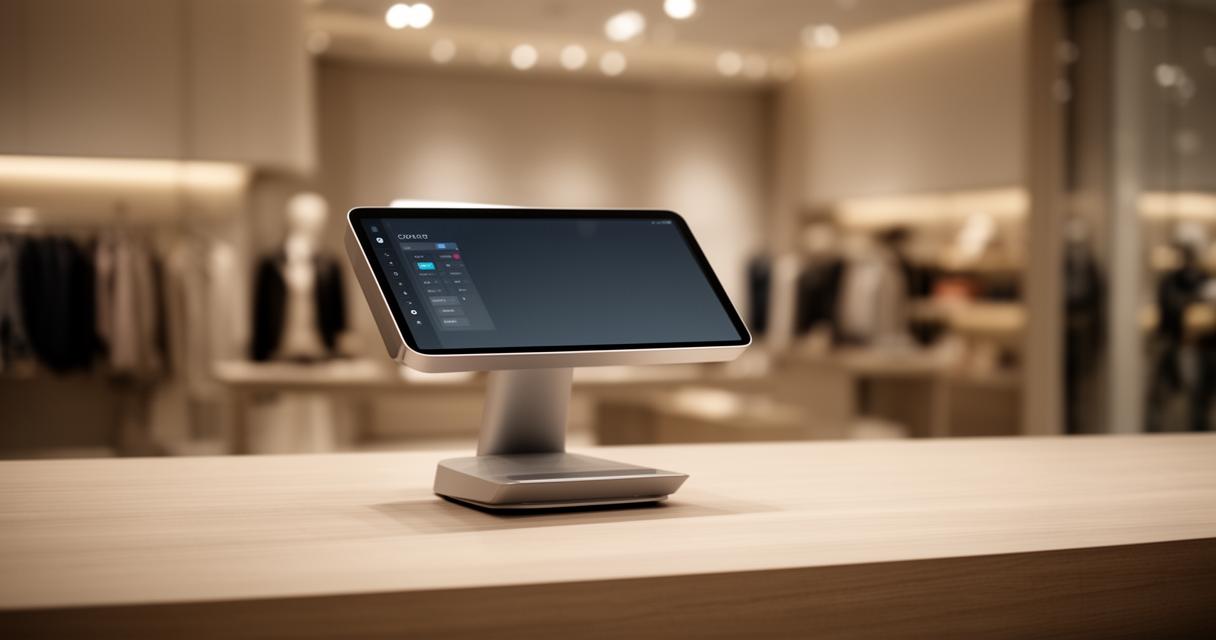
One of the biggest advantages of modern point of sale technology lies in its ability to talk to other software a business relies upon. Linking your till to stock management tools means that every sale automatically updates inventory figures, reducing the risk of overselling popular items or discovering shortfalls only once a customer has already left disappointed. Similarly, connecting the till directly to accounting platforms cuts down on manual data entry, minimises human error, and gives owners a far more accurate, up-to-date view of cash flow and profitability. For businesses operating across multiple locations or selling both in-store and online, this kind of integration becomes even more valuable, as it ensures consistency across every sales channel.
Training Staff and Establishing Best Practices for Transaction Processing
Even the most advanced system will only perform as well as the people operating it, which is why proper training deserves just as much attention as the technology itself. Staff should feel comfortable processing various payment types, issuing refunds correctly, and troubleshooting minor glitches without needing to call for help every time something unexpected happens. Establishing clear procedures around cash handling, end-of-day reconciliation, and receipt issuing helps maintain accuracy and builds customer trust. Many businesses find it useful to designate a knowledgeable team member as a point of reference for till-related queries, ensuring that best practices are consistently followed even during busy periods when mistakes are more likely to creep in.