When it comes to making an event genuinely unforgettable, few tools rival the drama and delight of virtual reality simulation gaming. From soaring through digital skies to constructing entire cities with a flick of the wrist, VR simulation games have become the secret weapon for organisers seeking immersive experiences that guests talk about long after the party ends. Whether you're planning a corporate away day, a themed birthday bash, or a sprawling trade show activation, these games offer something that traditional entertainment simply cannot match: the feeling of actually being somewhere else entirely.
Key points
- VR simulation games offer immersive experiences that provide a unique and memorable alternative to traditional event entertainment.
- Flight simulators like Microsoft Flight Simulator engage guests by offering realistic, high-detail experiences that serve as both a visual spectacle and a social talking point.
- Structured flight simulations can be effectively used for team-building exercises, fostering communication and problem-solving through collaborative challenges.
- Construction and architectural simulations encourage networking by prompting guests to work together on virtual projects, effectively breaking the ice in a collaborative environment.
- Interactive design and planning simulations allow brands at trade shows to demonstrate technical capabilities in a more engaging, hands-on way than static presentations.
- VR technology creates strong emotional responses by engaging multiple senses, making participants feel truly present within the simulated environment.
- The success of a VR event setup relies on balancing high-tech excitement with inclusive experiences that cater to a wide range of participants.
Transforming corporate events with immersive flight simulation experiences
Microsoft flight simulator's revolutionary impact on event entertainment
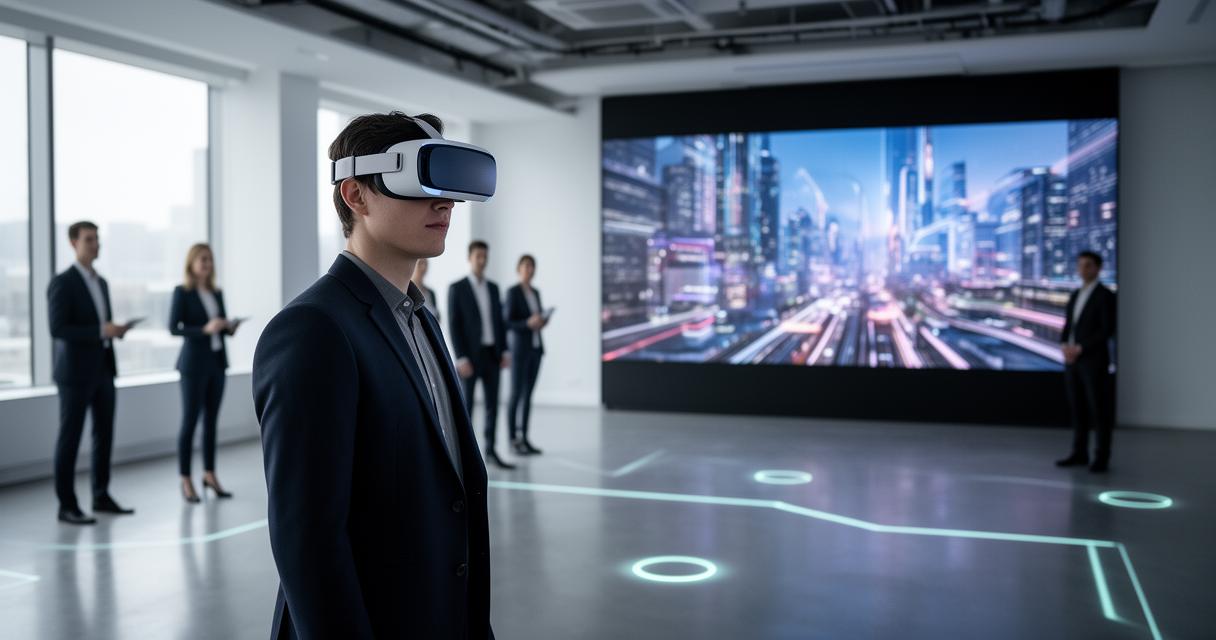
Few pieces of software have reshaped expectations around virtual reality quite like Microsoft's flight simulator. What was once a niche hobby for aviation enthusiasts has become a genuine showpiece at corporate events and private functions alike. Guests strap on VR headsets, take hold of the controls, and suddenly find themselves piloting an aircraft over photorealistic terrain, weaving between clouds and city skylines with a level of detail that feels almost implausible. For event organisers, this represents a brilliant opportunity to offer something genuinely novel, something that draws a crowd and keeps them lingering by the setup rather than drifting off to check their phones.
The appeal isn't purely technical, either. There's a certain theatre to watching someone attempt their first landing, white-knuckled and laughing, whilst colleagues cheer them on from the sidelines. This blend of immersive experiences and social spectacle is precisely why flight simulation has found such a natural home within corporate experiences and themed events, offering a talking point that outlasts the standard canapés-and-small-talk formula.
Creating memorable team-building moments through realistic aviation challenges
Beyond the sheer spectacle, flight simulation lends itself rather well to structured team-building exercises. Splitting colleagues into small crews to navigate tricky flight paths or complete timed challenges encourages communication and problem-solving in a way that feels far less contrived than the usual trust-fall routines. It's playful, it's a little competitive, and it gives everyone a shared story to reminisce about back at the office. Providers offering nationwide services typically bring along professional event managers and technical support to ensure the experience runs smoothly, meaning organisers needn't worry about troubleshooting headsets mid-event whilst guests wait impatiently.
Building and construction simulations: engaging attendees through creative virtual environments
Collaborative virtual construction projects for enhanced networking opportunities
There's something quietly satisfying about building things, even when they exist only within a headset. Construction and building simulations have carved out their own devoted following at events, particularly because they encourage collaboration rather than solo play. Attendees might find themselves working together to erect a virtual skyscraper or solve a puzzle-based architectural challenge, and in doing so, they end up chatting, strategising, and bonding in ways that wouldn't happen if they were simply stood around with a glass of wine. This makes such simulations a genuinely useful addition to networking events, where breaking the ice matters just as much as the entertainment itself.
Tabletop Simulator VR, for instance, brings a lovely twist to this idea by digitising classic card and board games within an immersive setting, letting groups gather virtually around a table as though nothing had changed except the scenery. It's a wonderful example of how nostalgia and innovation can sit comfortably side by side.
From architecture to city planning: interactive showcases that captivate audiences
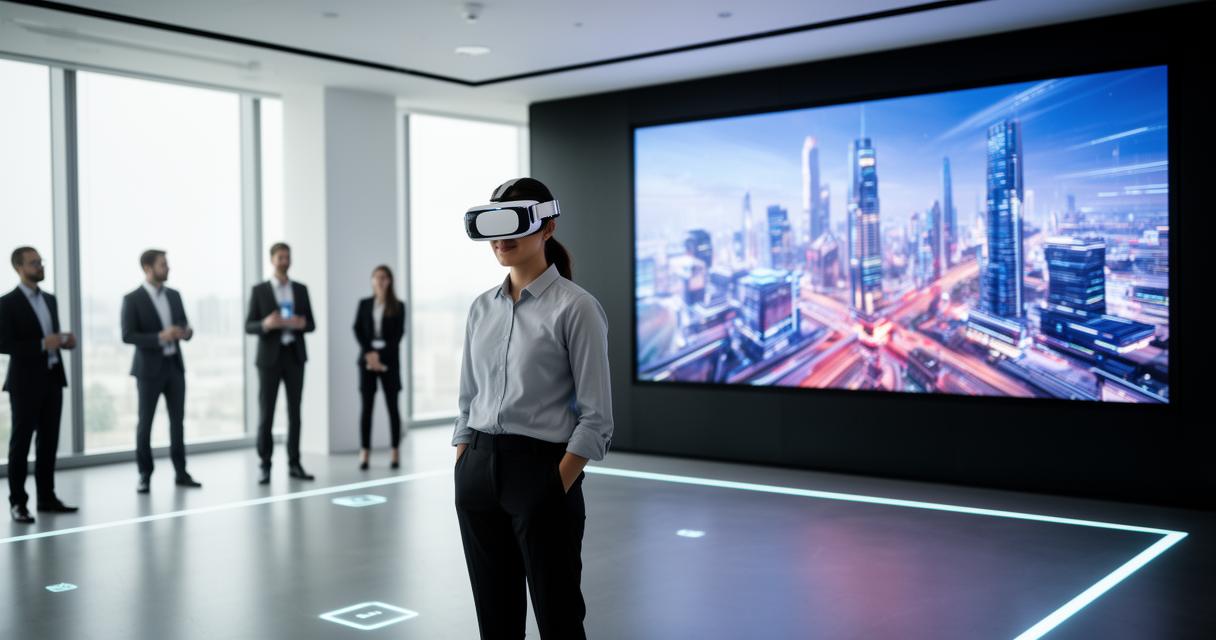
City planning and architectural simulations take things a step further, allowing guests to design and manipulate entire virtual environments in real time. These interactive showcases work brilliantly at trade shows and marketing activations, where brands want to demonstrate technical capability without resorting to dry presentations. Watching an audience member reshape a skyline with their own hands tends to leave a far stronger impression than a slideshow ever could, and it's precisely this kind of hands-on engagement that event planning specialists increasingly seek out when designing virtual conferences and exhibitions.
Maximising emotional engagement through multi-sensory vr simulation gaming
The psychology behind strong emotional responses in virtual reality experiences
What makes VR simulation gaming so compelling isn't merely the visuals, but the way it hijacks our senses and convinces our brains that we're somewhere entirely different. This multi-sensory trickery produces genuine emotional responses, from the flutter of nerves before a virtual flight takes off to the triumphant cheer when a group finally solves a construction puzzle together. Games such as Star Trek: Bridge Crew tap directly into this phenomenon, placing players within a beloved fictional universe and letting them experience camaraderie and tension as an actual crew navigating space, rather than simply watching from a screen.
Similarly, Echo Arena and its combat counterpart offer a sci-fi shooter experience that thrives on adrenaline, making it a natural fit for sci-fi themed lounges where guests want something a little faster-paced. Meanwhile, Sports Bar VR recreates the boisterous energy of a real sports bar, complete with multiplayer games that suit gaming lounges or even outdoor beer gardens rather nicely.
Designing interactive showcases that leave lasting impressions on event participants
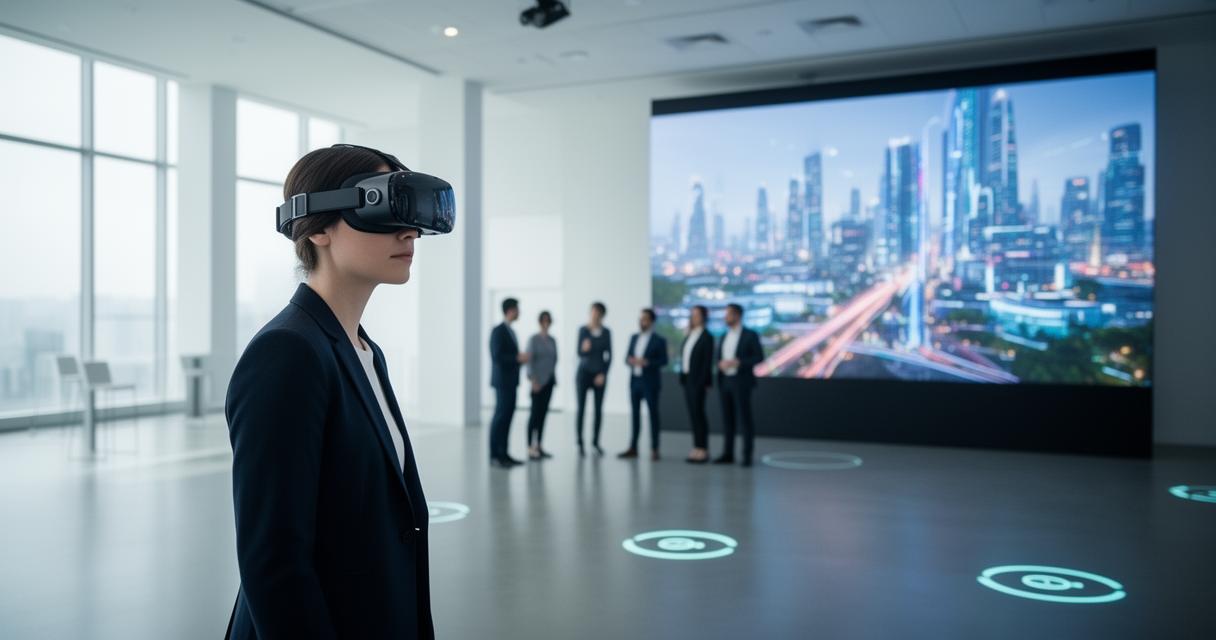
The most successful VR setups tend to balance excitement with genuine inclusivity. Rec Room VR, for example, has become something of a favourite for family-friendly events thanks to its hands-on activities suitable for a broad range of ages, whilst Wands VR offers a whimsical spellcasting experience that delights children and adults in equal measure. Organisers who take accessibility seriously often ensure sensory-friendly settings are available too, supporting neurodiverse guests and reflecting a wider commitment to inclusive engagement that goes beyond simply installing a headset and hoping for the best.
Practical considerations matter here as well. Most VR games designed for parties are considered safe for children aged seven and above, and providers typically recommend a minimum space of two metres by two metres to allow safe movement during play. Companies offering these experiences, including specialists in mobile planetariums, geodesic domes, and dome projection technology, often provide flexible packages for hire, purchase, or franchise opportunities worldwide, making it easier than ever for event planners to bring these immersive experiences to life regardless of budget or location. With operations running twenty-four seven and dedicated teams available during standard office hours, organisers can rest assured that support is never too far away when curating an event that guests will remember for years to come.